Toronto Decoded: Clues, Culture & City Energy

Visiting student groups get oriented to Toronto quickly as they explore neighbourhoods in teams—decoding street-level clues to understand the city’s culture, layout, and identity.

...
Duration

6 Hours

...
Grade

6-12

...
Group Size

up to 150

...
Price

$45/student + HST

...
Languages

Tours offered in English & French

Tour Info

Visiting student groups get oriented to Toronto quickly with a tour that’s part landmark highlights, part city mission—designed to help students understand the city better and build confidence navigating downtown.

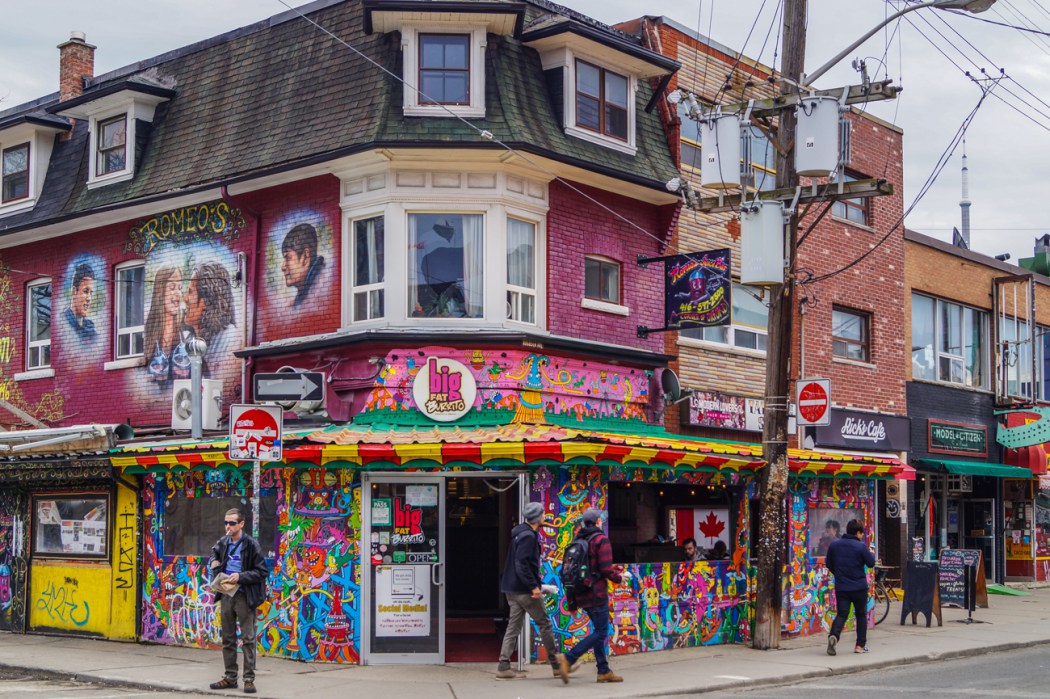
In smaller, guide-facilitated teams (max 20 students each), students move through a mix of iconic sites and neighbourhood energy—think the downtown core around City Hall, St. James Park, and St. Lawrence Market; the campus and civic anchors of Queen’s Park and U of T; and culture-rich streets like Kensington, Chinatown, Queen Street, and Graffiti Alley.

Along the way, quick mini-challenges and discussions keep things moving: spot hidden details, decode street signs and storefront clues, read the messages in street art, and figure out what each area reveals about Toronto’s identity (and how it’s similar to—and different from—big cities back home).

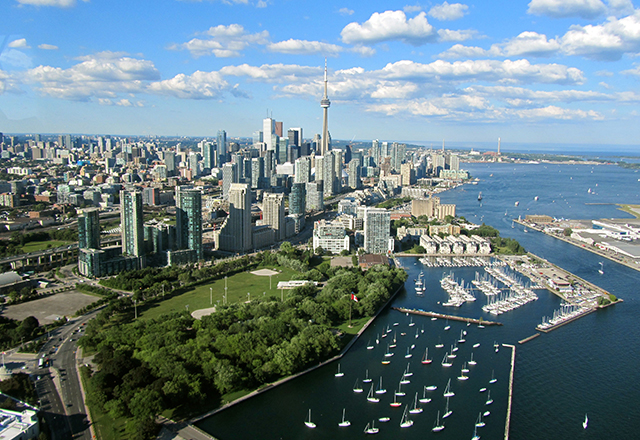
The experience includes a Union Station finish with a peek into the PATH, plus skyline and stadium-area stops near Scotiabank Arena and the Rogers Centre—so everyone leaves feeling confident, curious, and ready to explore more.

Includes a 45 minute lunch stop (lunch not included in tour price)

Curriculum Connections

Geography

  • maps, scale, and spatial thinking (using landmarks to “read” the city)

  • land use and how neighbourhoods function (commercial, institutional, residential, mixed-use)

  • urban communities and how people shape places (identity, services, movement)

History & Social Studies

  • using evidence from the built environment (signs, memorials, architecture, public space)

  • diverse perspectives and stories in local places (whose histories are visible/invisible)

  • change over time in communities and city spaces

Language / Media Literacy

  • analyzing how messages are communicated through media in public spaces (street art, ads, signage)

  • identifying audience, purpose, and perspective in visual texts

  • making inferences and supporting interpretations with observations

The Arts

  • interpreting public art and design elements (colour, symbols, composition, style)

  • art as communication and community expression in shared spaces

Health & Physical Education

  • active living through walking exploration

  • personal safety and responsible decision-making in public spaces

  • collaboration, communication, and respectful group conduct

    Issues in Canadian Geography / Human Geography

    • urban land use patterns, neighbourhood change, and placemaking

    • transportation and pedestrian movement in the downtown core

    • built form as evidence of economic and social functions

    Canadian History / Local & Community History

    • interpreting historical continuity and change through streetscapes, institutions, and public spaces

    • multiple perspectives in historical narratives (what is commemorated vs. omitted)

    Civics and Citizenship

    • civic spaces and public institutions (e.g., City Hall, Queen’s Park area)

    • rights, responsibilities, and participation in shared public space

    • how cities express values through planning, design, and services

    English / Media Studies

    • critical media literacy in the urban environment (advertising, branding, messaging, persuasion)

    • analyzing representation, identity, and point of view in public texts and street art

    • comparing Toronto to other major cities (similarities/differences, globalization, cultural expression)

    Business Studies

    • retail streets and neighbourhood economies (storefront clues, target markets, location factors)

    • tourism, city branding, and the visitor economy (how places are packaged and promoted)

Issues in Canadian Geography / Human Geography

  • urban land use patterns, neighbourhood change, and placemaking

  • transportation and pedestrian movement in the downtown core

  • built form as evidence of economic and social functions

Canadian History / Local & Community History

  • interpreting historical continuity and change through streetscapes, institutions, and public spaces

  • multiple perspectives in historical narratives (what is commemorated vs. omitted)

Civics and Citizenship

  • civic spaces and public institutions (e.g., City Hall, Queen’s Park area)

  • rights, responsibilities, and participation in shared public space

  • how cities express values through planning, design, and services

English / Media Studies

  • critical media literacy in the urban environment (advertising, branding, messaging, persuasion)

  • analyzing representation, identity, and point of view in public texts and street art

  • comparing Toronto to other major cities (similarities/differences, globalization, cultural expression)

Business Studies

  • retail streets and neighbourhood economies (storefront clues, target markets, location factors)

  • tourism, city branding, and the visitor economy (how places are packaged and promoted)

How To Prepare Your class, and what to bring on the day of the tour

When teachers book a tour for their class they will receive an information package that will:
-> outline any in-class preparation activities to be done prior to the tour
-> list materials & items that students should bring on the day of the tour

Book A Walk Today

Testimonials

“The guides were knowledgeable, the content was engaging, and the activities were relevant. My students loved it! The tour was a great way for my students to learn more about the media industry while exploring various types of media found in an urban setting.”

–Pam H, Media Studies Teacher, F.E. Madill SS, Wingham, ON

“The Art Walk was amazing; my grade 6 students got to walk, climb, draw and photograph Toronto. I look forward to taking this field trip every year.”

–Andrea C, Grade 7 Teacher, Toronto District Catholic School Board